
Tea Blog
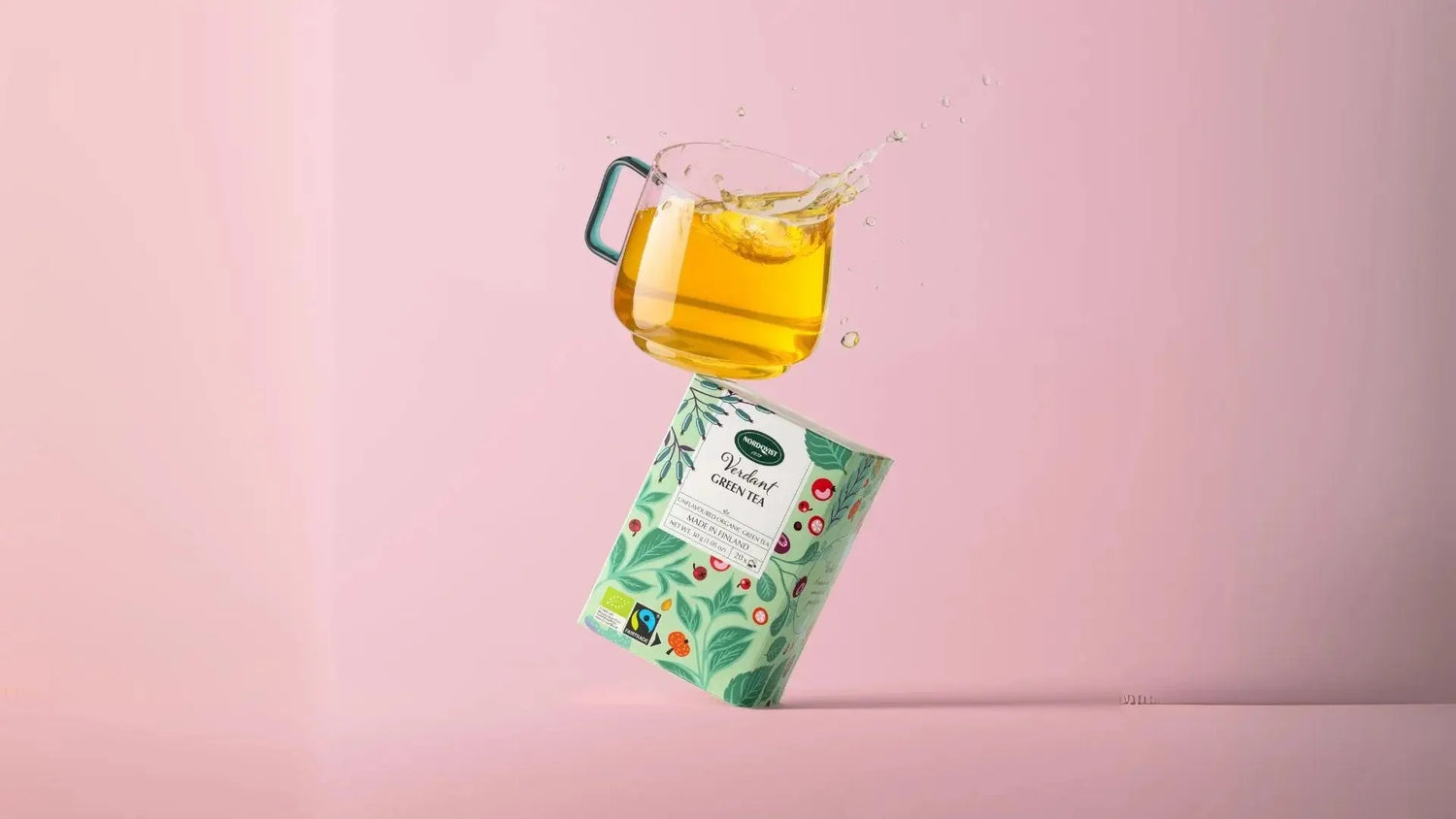
What Is Jasmine Tea? Scented Green Tea Explained
Jasmine tea is usually green tea scented with jasmine blossoms. Learn how the aroma is captured, what it tastes like, and how to brew a floral, clean cup.
What Is Gunpowder Tea? Flavour, Rolling, and How to Brew It
Gunpowder is a green tea rolled into tight pellets. Here is how it tastes, why it is rolled that way, and the best water temperature and steep time.
Why Green Tea Feels So Relaxing: L-Theanine and the Calm Ritual
Green tea feels relaxing because of L-theanine, an amino acid that promotes calm alertness, paired with a slow, mindful ritual that gives your mind a structured pause.
Cold Brew Green Tea: Why It Is Different and How to Make It
Cold brew green tea is steeped in cold water for hours, drawing out fewer tannins and less caffeine than hot brewing. The result is sweeter, smoother, and less bitter.
Green Tea vs Herbal Tea: What Is the Difference?
Green tea is a true tea from the Camellia sinensis plant and contains caffeine, while herbal tea is an infusion of herbs, flowers, or fruit and is naturally caffeine-free. Each suits a different moment.
The History of Green Tea: Origins and Cultural Significance
The history of green tea begins in China around 2737 BCE and spans thousands of years. Here is how green tea spread across Asia and the world, and why it still matters.
The Best Time to Drink Green Tea: Morning, Afternoon, or Night?
The best time to drink green tea is mid-morning or early afternoon, not on an empty stomach and not within a few hours of bedtime. Here is how timing changes the effect.

What Is White Tea? How It Differs from Green and Black Tea
White tea is the least processed true tea, simply withered and dried, which gives it a light, naturally sweet flavour and a very high antioxidant content compared with green and black tea.
Matcha vs Sencha vs Gyokuro: What Is the Real Difference?
Matcha is a shade-grown powdered tea, sencha is sun-grown and rolled, and gyokuro is shade-grown leaf. Here is how they compare on growing, flavour, and caffeine.
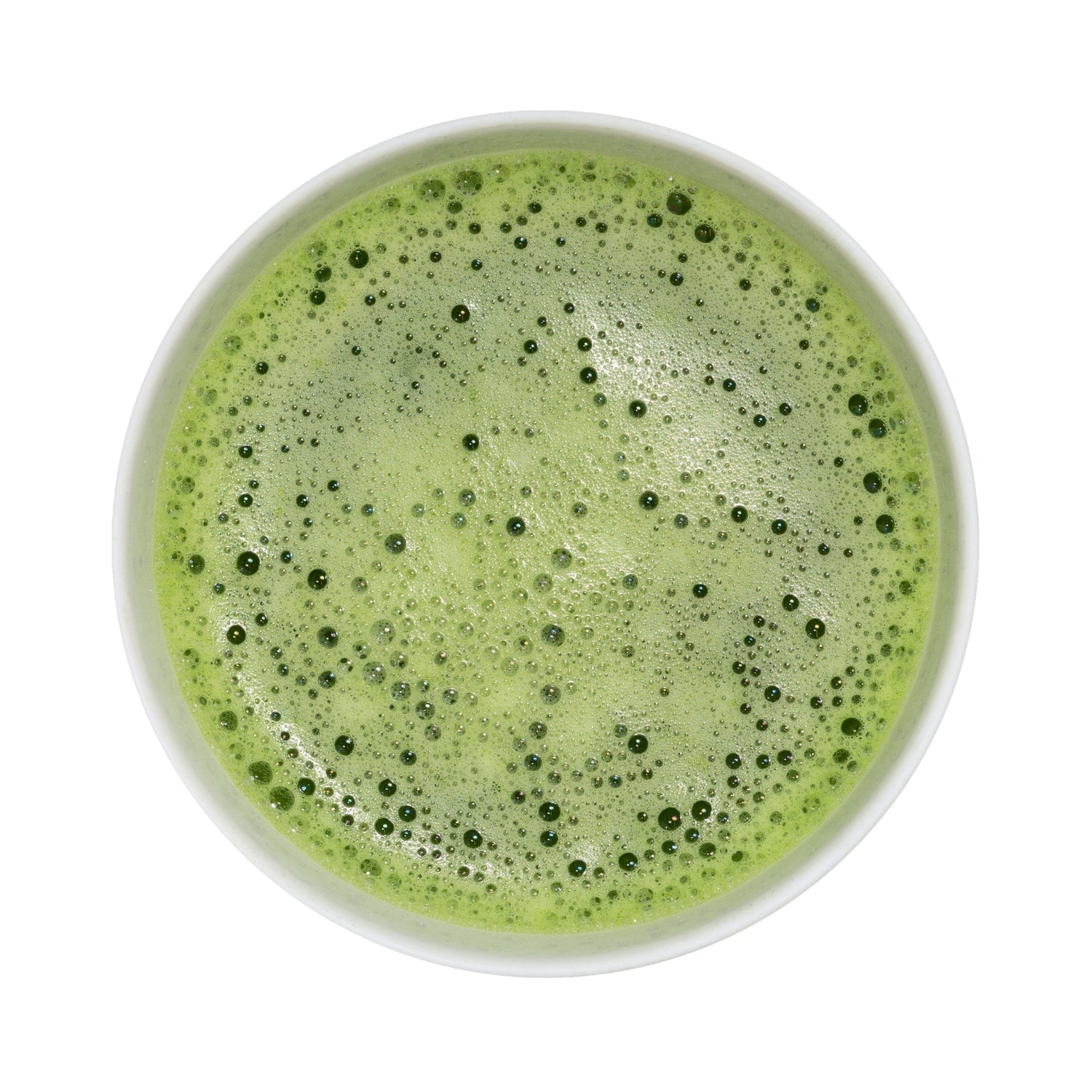
What Is Matcha and Where Does It Come From?
Matcha is a finely ground green tea powder made from shade-grown tea leaves. It originated in China, spread to Japan, and is made through traditional steps from cultivation to grinding.
Matcha Desserts: Recipes & Ideas for Baking with Matcha
Matcha is easy to bake and cook with thanks to its fine powder and vivid green colour. Try our matcha panna cotta and raw matcha brownies, plus simple ideas to start.
How to Make Matcha Tea: A Step by Step Guide
To make matcha, sift the powder, add water heated to about 80 C, and whisk in a brisk W motion until frothy. Here are the ratios, the temperature, and the tools.
Matcha Health Benefits: What the Research Actually Shows
Matcha may support focus, calm, fat burning, and antioxidant intake. Here is what peer-reviewed research has found, and why drinking it beats eating it.