
Tea Blog
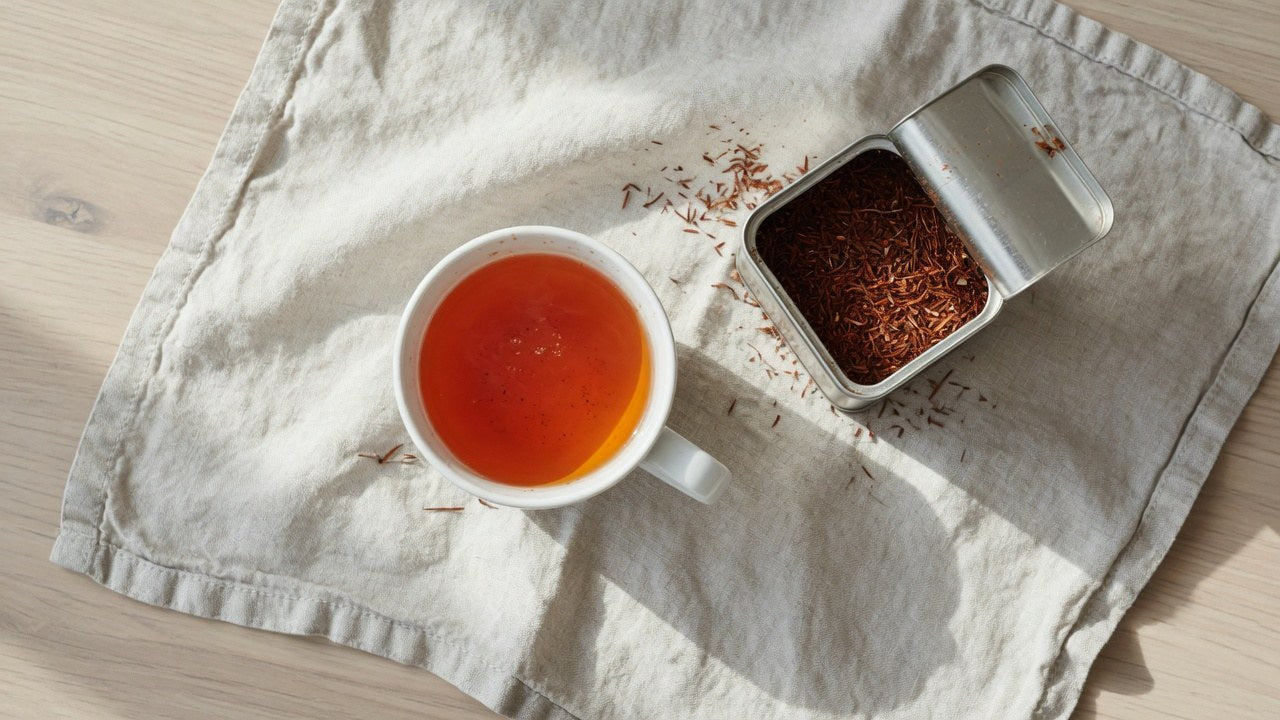
Is Rooibos Tea a Superfood? Hype vs Evidence
Is rooibos a superfood? There is no official definition, but rooibos is a genuinely nutrient-rich, antioxidant-packed herbal tea. Here is what the label means, what is hype, and what the evidence actually supports.
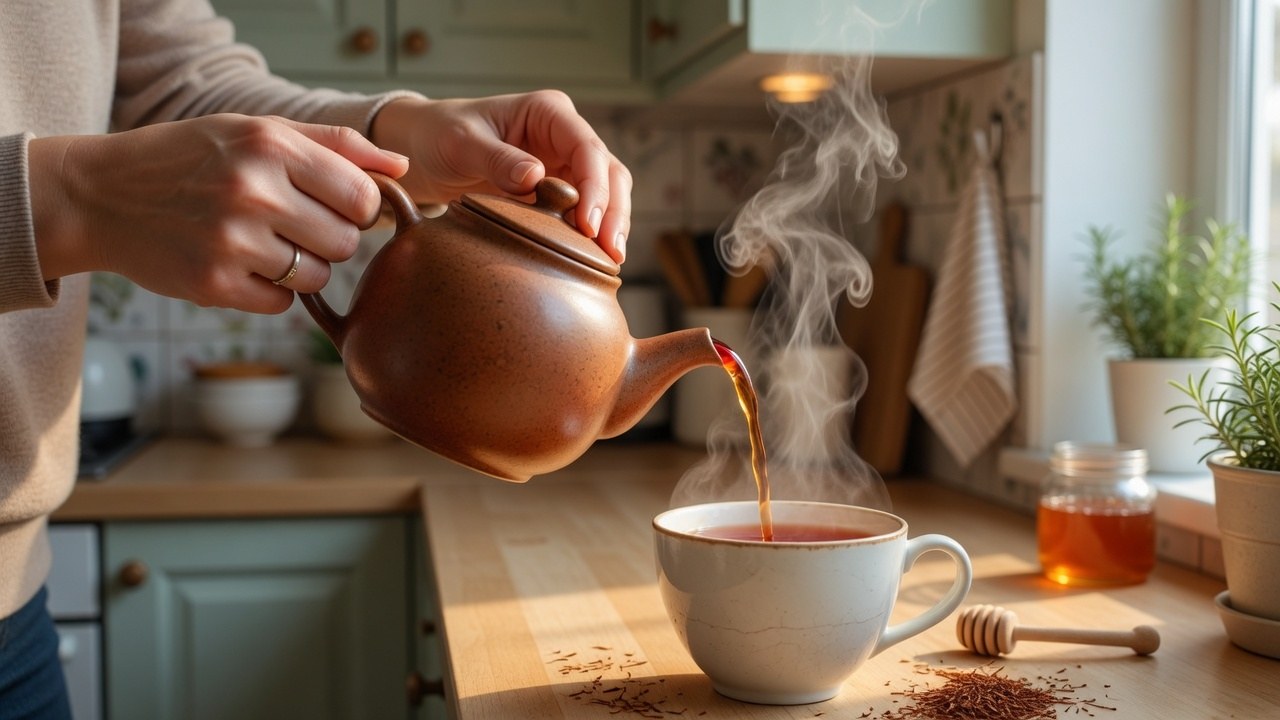
How to Brew Rooibos Tea: Temperature, Time & Steps
To brew rooibos tea, pour near-boiling water (85 to 100C) over the leaves and steep for 5 to 7 minutes. Here is the full method for hot, iced, and latte rooibos.
Rooibos Tea Benefits: A Scientific Overview of the Antioxidants
Rooibos tea benefits come from its rare antioxidants, aspalathin and nothofagin. Here is the science behind rooibos antioxidants and what research says about heart, gut, skin, and immune health.
Rooibos Tea Benefits: 10 Reasons to Drink Red Bush Tea
Rooibos tea is a caffeine-free, antioxidant-rich herbal tea from South Africa. Here are 10 practical health benefits, from heart and skin to sleep and blood sugar.
Does Rooibos Tea Have Caffeine? Why It's Naturally Caffeine-Free
No, rooibos is naturally 100% caffeine-free, never decaffeinated. Here is the botanical reason why, and why it is perfect for the evening.
Health Benefits of Drinking Tea: What the Research Says
Drinking tea regularly may support heart health, hydration, alertness and antioxidant intake. See what research suggests for black, green, white and herbal teas.
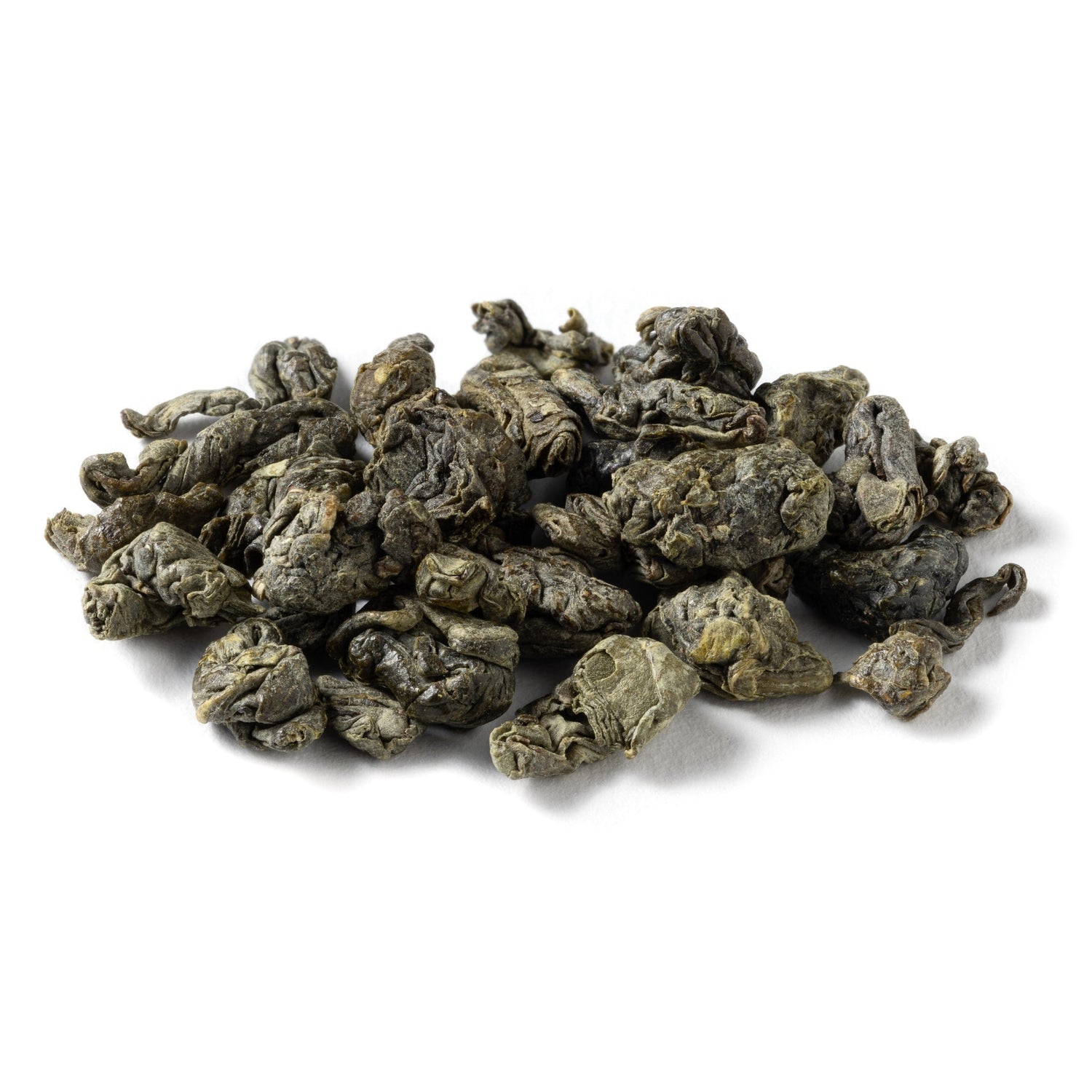
What Is Gunpowder Tea? Flavour, Rolling, and How to Brew It
Gunpowder is a green tea rolled into tight pellets. Here is how it tastes, why it is rolled that way, and the best water temperature and steep time.

Finnish Tea Culture: How Nordics Drink Tea Today
Finland is famous for coffee, but tea has its own quiet place in Nordic homes. Here is how Finns drink tea now, from weekday mugs to gift tins and family tables.
How to Make the Perfect Cup of Tea: Times & Temperatures
Clean water, the right leaf, temperature and time. A simple guide with a brewing temperature and steeping-time chart for every tea type.
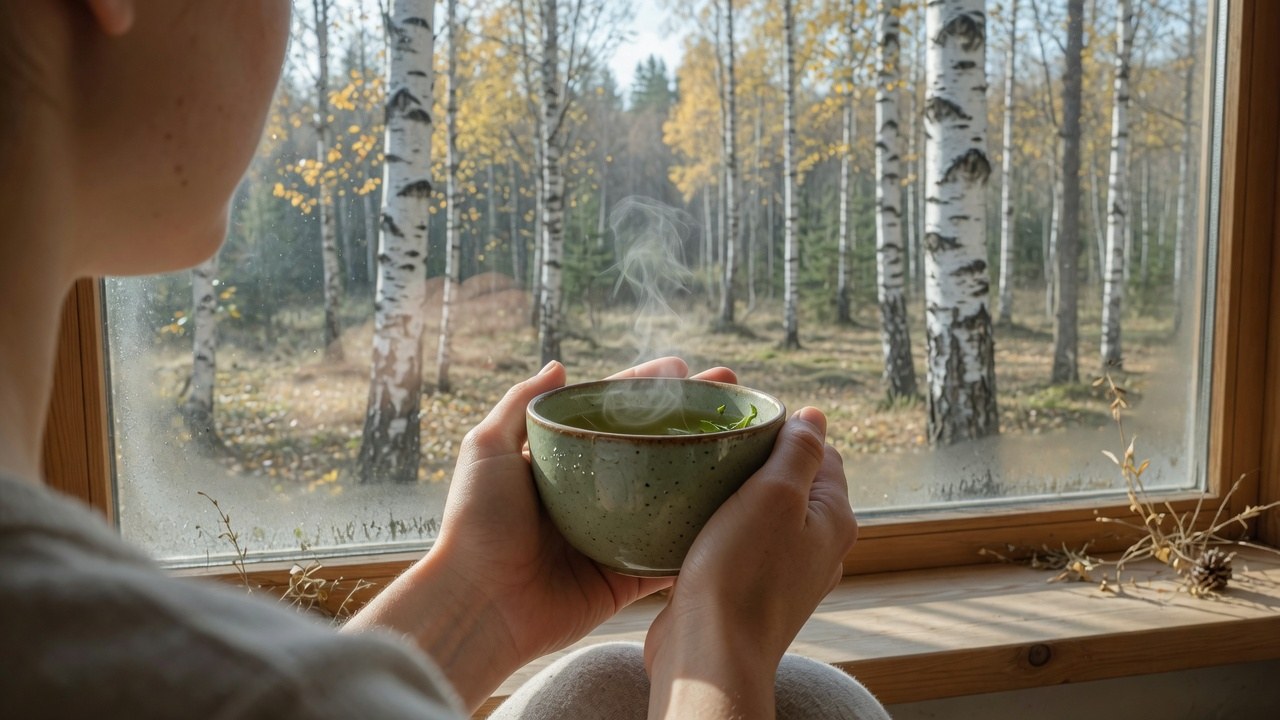
Why Green Tea Feels So Relaxing: L-Theanine and the Calm Ritual
Green tea feels relaxing because of L-theanine, an amino acid that promotes calm alertness, paired with a slow, mindful ritual that gives your mind a structured pause.

Cold Brew Green Tea: Why It Is Different and How to Make It
Cold brew green tea is steeped in cold water for hours, drawing out fewer tannins and less caffeine than hot brewing. The result is sweeter, smoother, and less bitter.
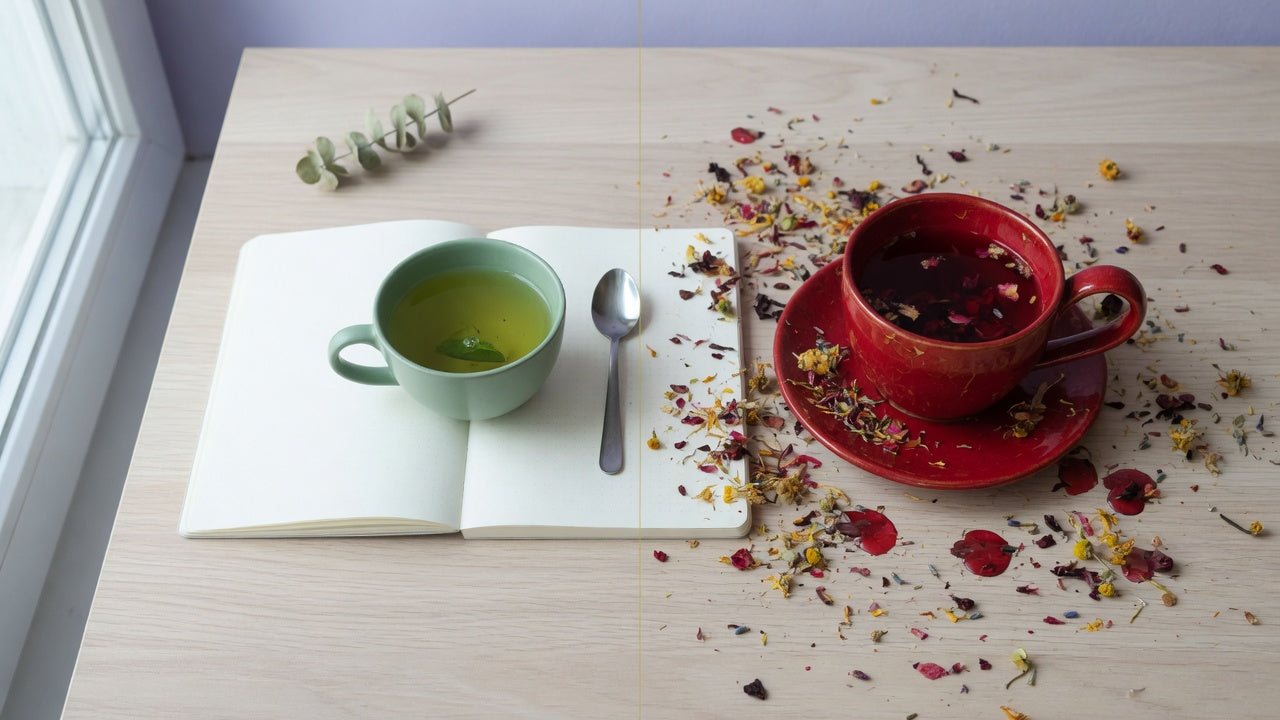
Green Tea vs Herbal Tea: What Is the Difference?
Green tea is a true tea from the Camellia sinensis plant and contains caffeine, while herbal tea is an infusion of herbs, flowers, or fruit and is naturally caffeine-free. Each suits a different moment.
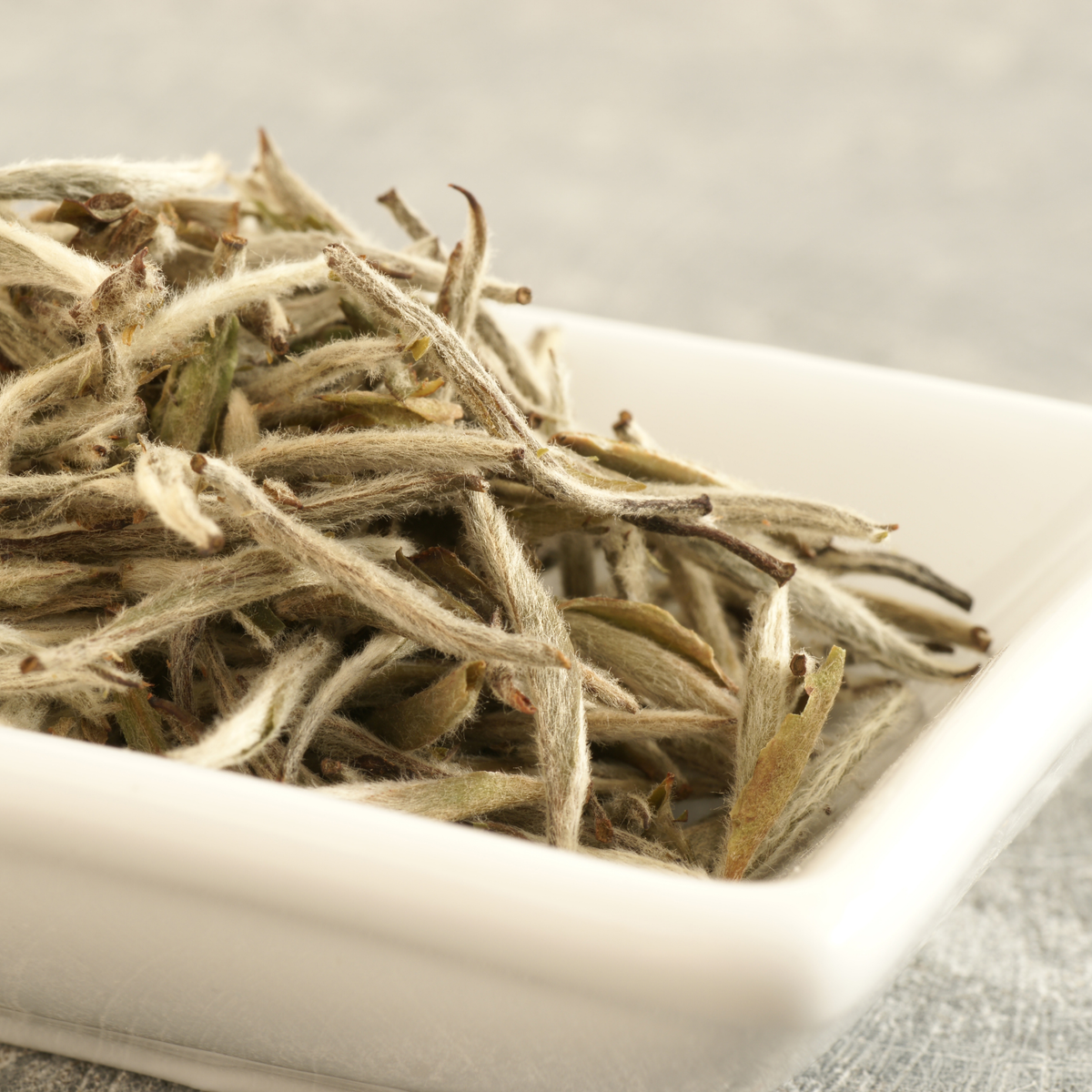
Silver Needle vs White Peony: Which White Tea Is Better?
Silver Needle is the most delicate and prized white tea, made only from buds, while White Peony adds leaves for a fuller, more affordable cup. The better choice comes down to taste and budget.
The History of Green Tea: Origins and Cultural Significance
The history of green tea begins in China around 2737 BCE and spans thousands of years. Here is how green tea spread across Asia and the world, and why it still matters.
Black Tea and Sleep: Can You Drink It Before Bed?
Black tea contains caffeine (about 40 to 70 mg per cup), so it can disturb sleep close to bedtime. Here is how late is too late and how to enjoy it without losing rest.