
Tea Blog
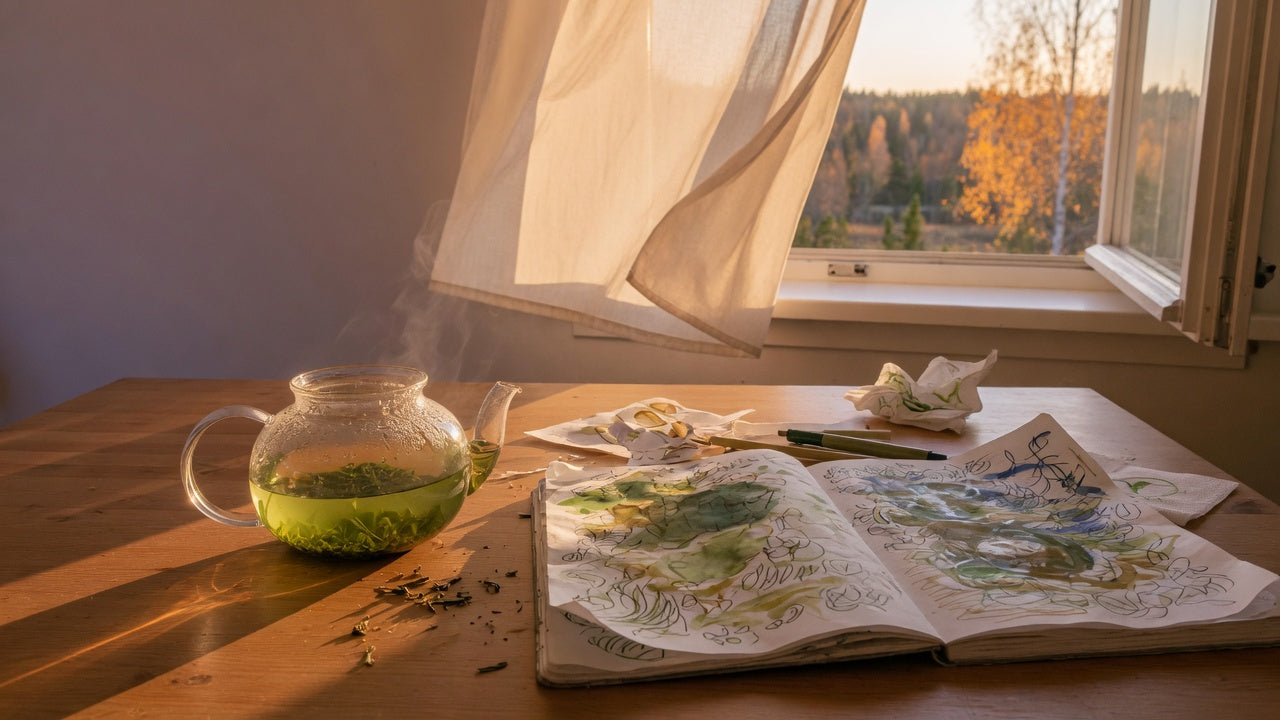
The Best Time to Drink Green Tea: Morning, Afternoon, or Night?
The best time to drink green tea is mid-morning or early afternoon, not on an empty stomach and not within a few hours of bedtime. Here is how timing changes the effect.
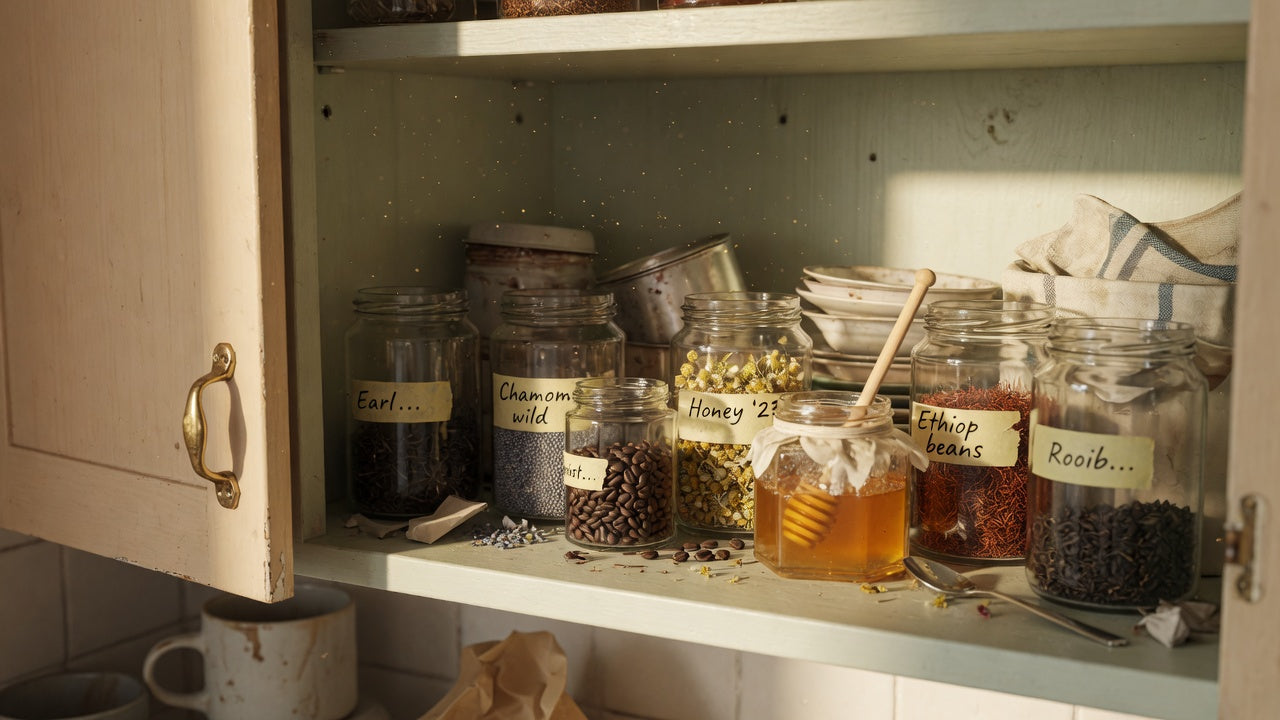
How to Store Tea Leaves Properly for Long-Lasting Freshness
To store tea, keep it in an airtight, opaque container in a cool, dark, dry place away from strong odours. Here is a complete guide to keeping loose leaf tea and tea bags fresh.
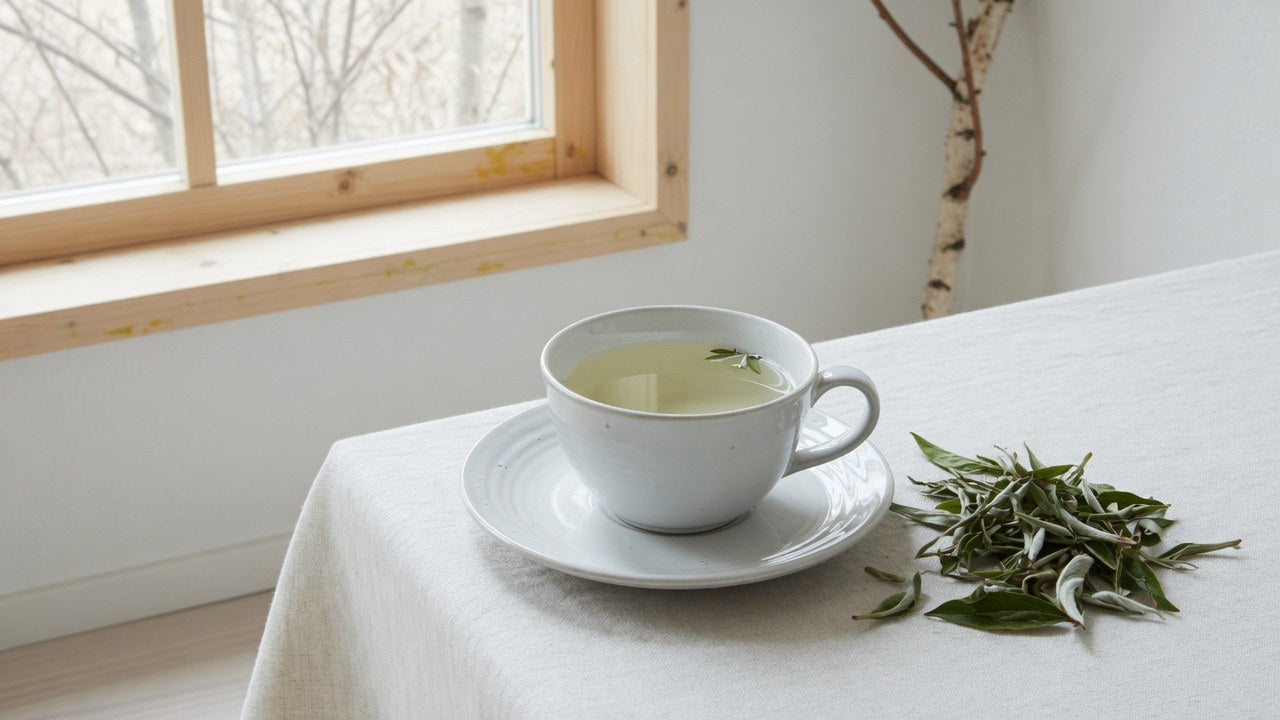
Does White Tea Have Caffeine? White Tea Caffeine Content Explained
Yes, white tea has caffeine, usually about 15 to 30 mg per cup, less than green, oolong, black tea or coffee. Here is why, and how to keep it even lower.

What Is White Tea? How It Differs from Green and Black Tea
White tea is the least processed true tea, simply withered and dried, which gives it a light, naturally sweet flavour and a very high antioxidant content compared with green and black tea.
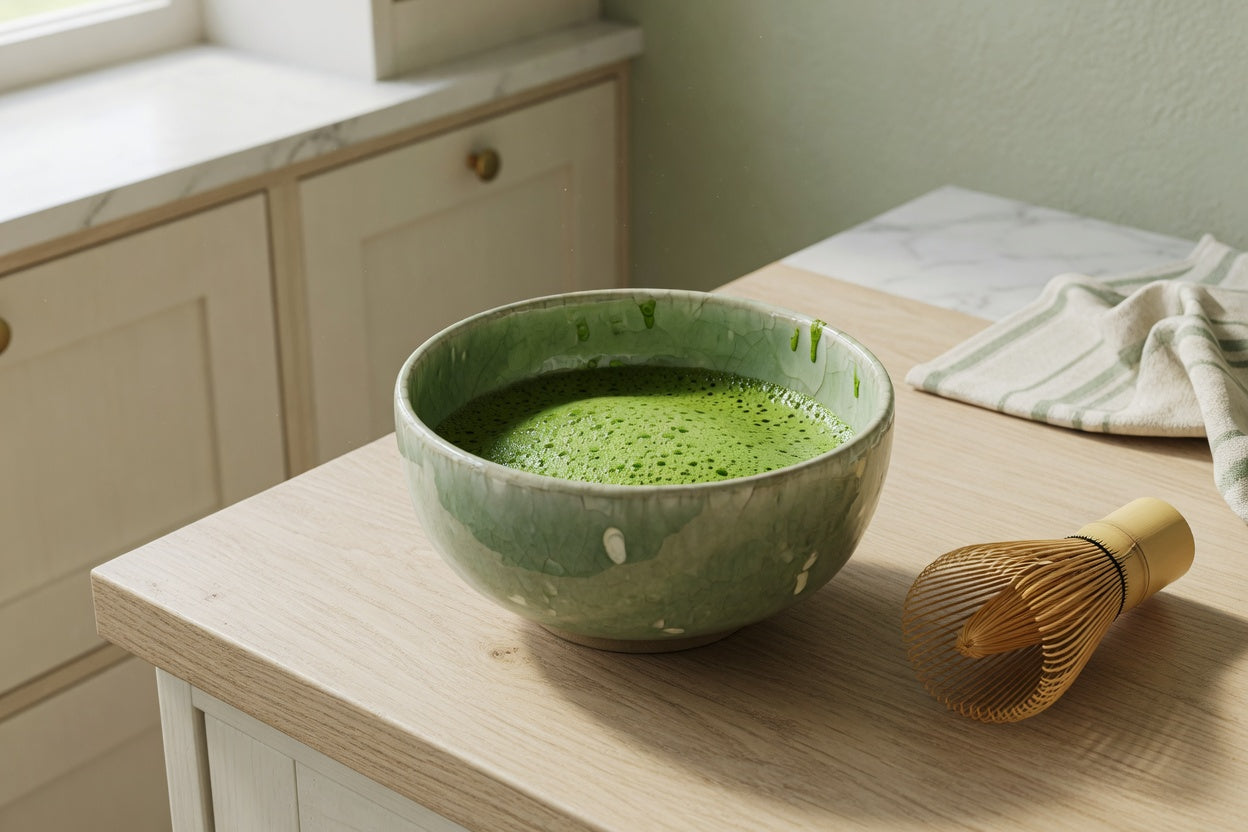
Matcha vs Sencha vs Gyokuro: What Is the Real Difference?
Matcha is a shade-grown powdered tea, sencha is sun-grown and rolled, and gyokuro is shade-grown leaf. Here is how they compare on growing, flavour, and caffeine.

What Is Ceylon Tea? A Guide to Sri Lanka's Flavours
Ceylon tea is tea grown in Sri Lanka, prized for bright, brisk, citrus-led flavours that shift with altitude. Here is what Ceylon tea tastes like and how to brew it.
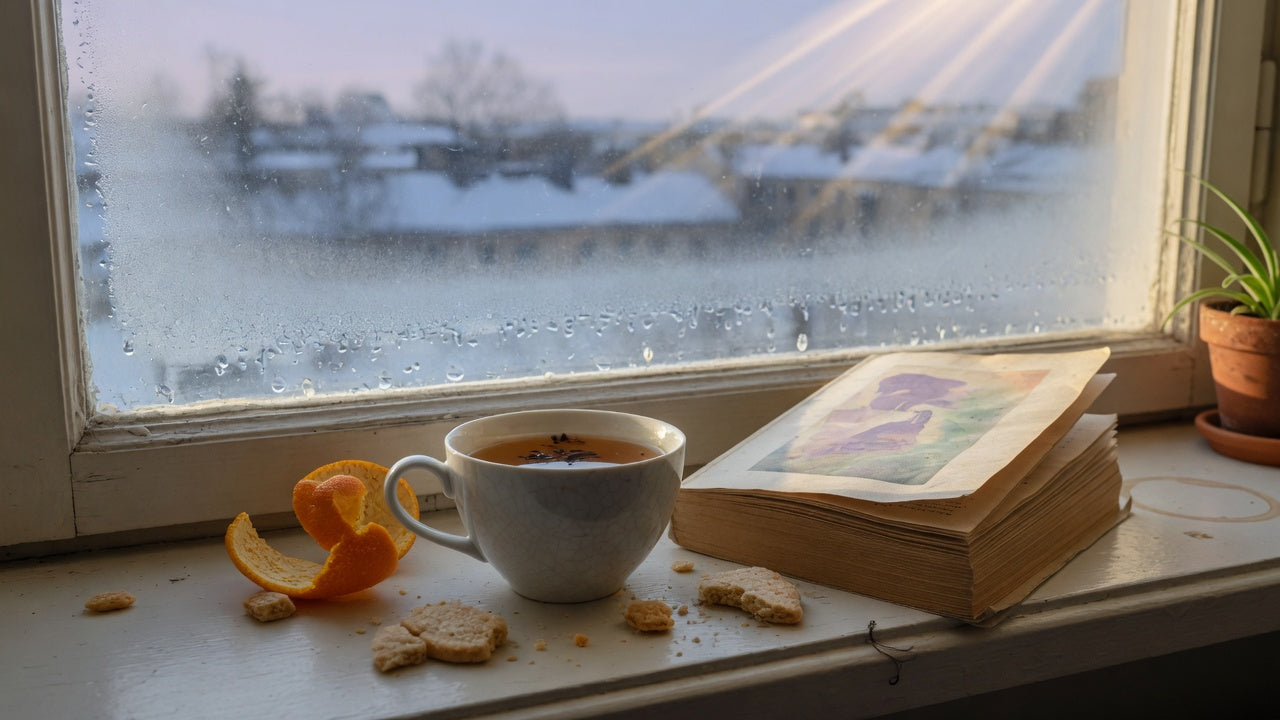
What Is Earl Grey Tea? Flavour, Benefits, and How to Brew It
Black tea meets fragrant bergamot. What Earl Grey is, what it tastes like, its caffeine and benefits, and how to brew it.

Ceylon Tea Benefits: What the Science Says
Ceylon tea may support heart health, alertness, hydration and more thanks to its polyphenols and gentle caffeine. Here is a clear, honest look at the benefits.
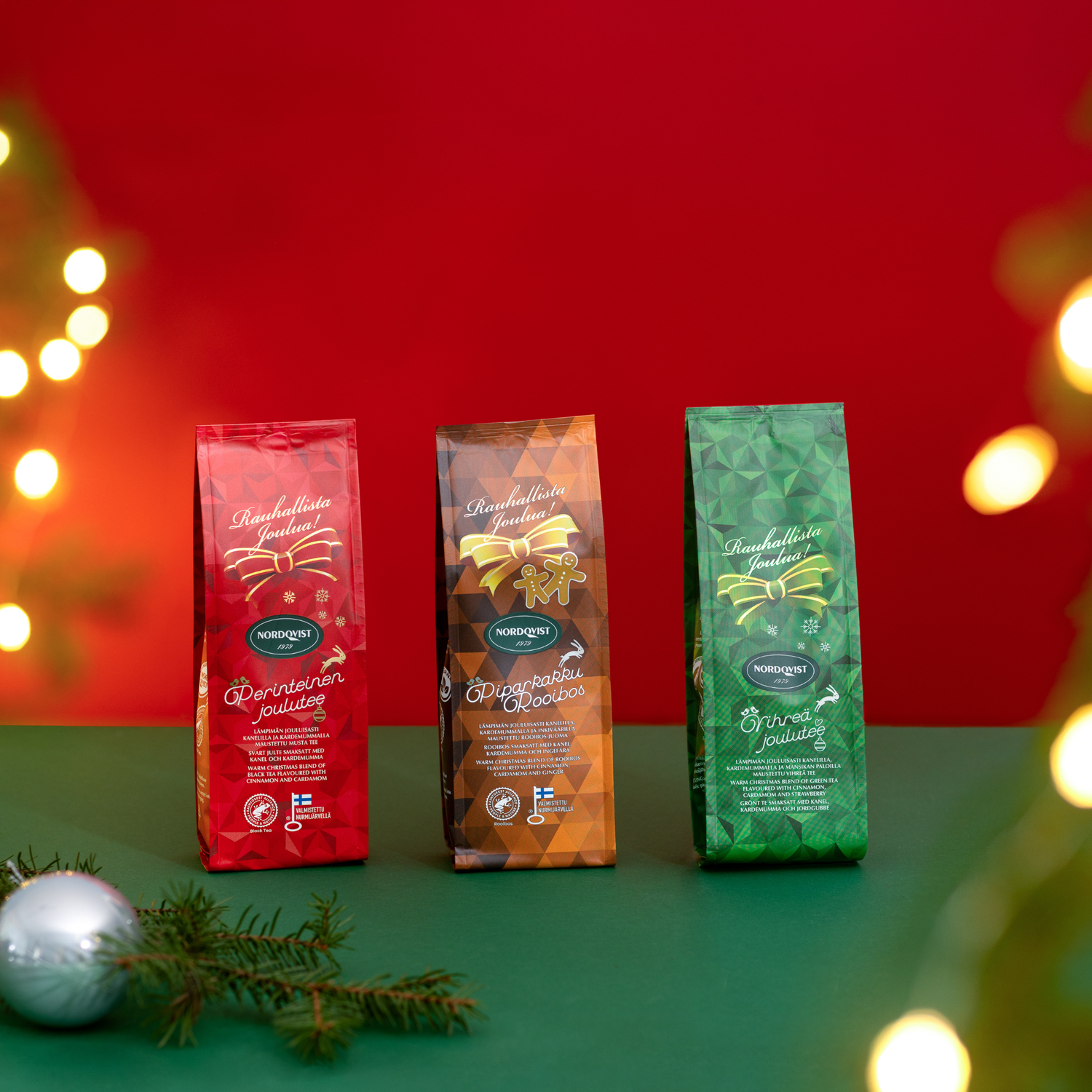
The Best Christmas Teas & Tea Gifts
A guide to the best Christmas teas and tea gifts, from spiced black blends and green Christmas tea to gingerbread rooibos, mint chocolate and Moomin advent calendars.

Black Tea Benefits: What the Research Says
Black tea is rich in polyphenols and may support heart health, alertness, digestion and more. Here is what black tea does for your body and how to brew it well.
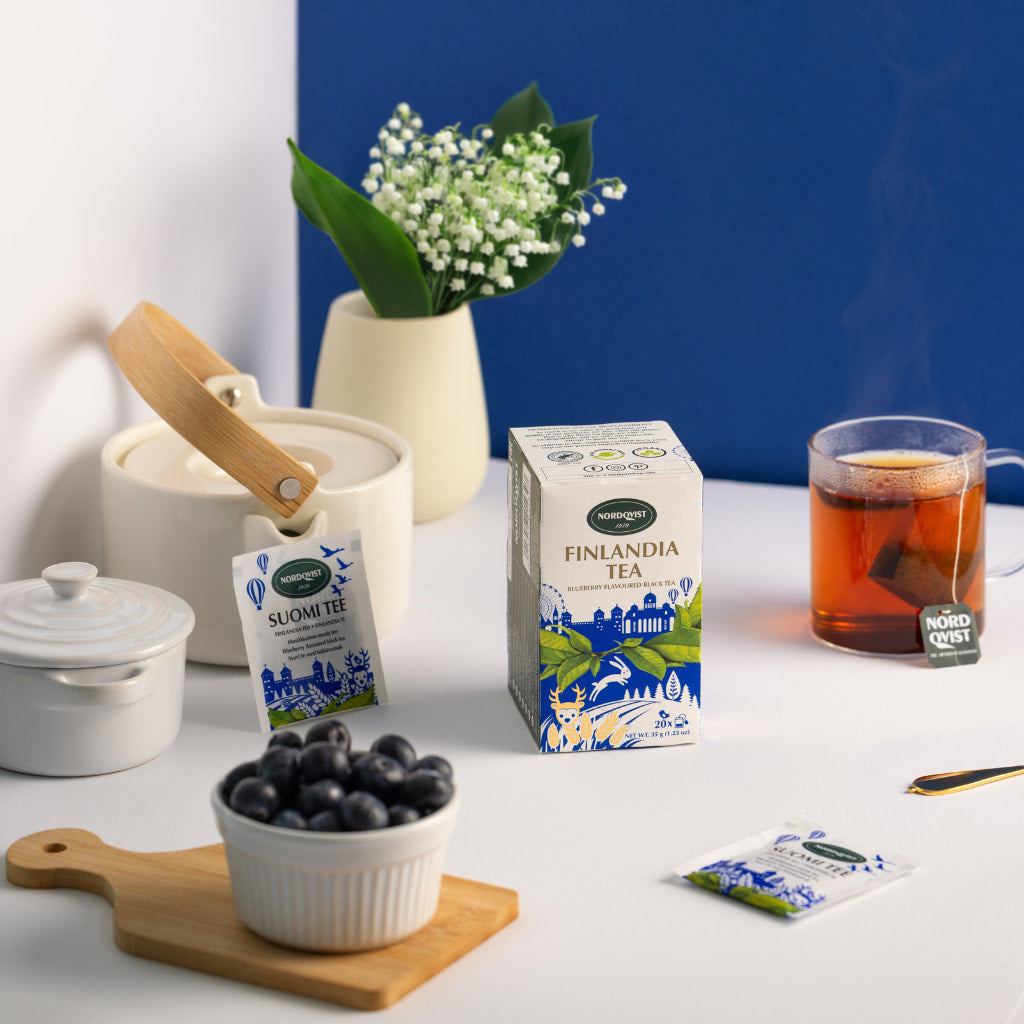
Scandinavian Tea & Nordic Tea: An Insider's Guide
Scandinavian tea blends Nordic herbs and berries like cloudberry, lingonberry and nettle into warming, characterful cups. Here is a guide to Nordic tea culture and where Nordqvist fits in.
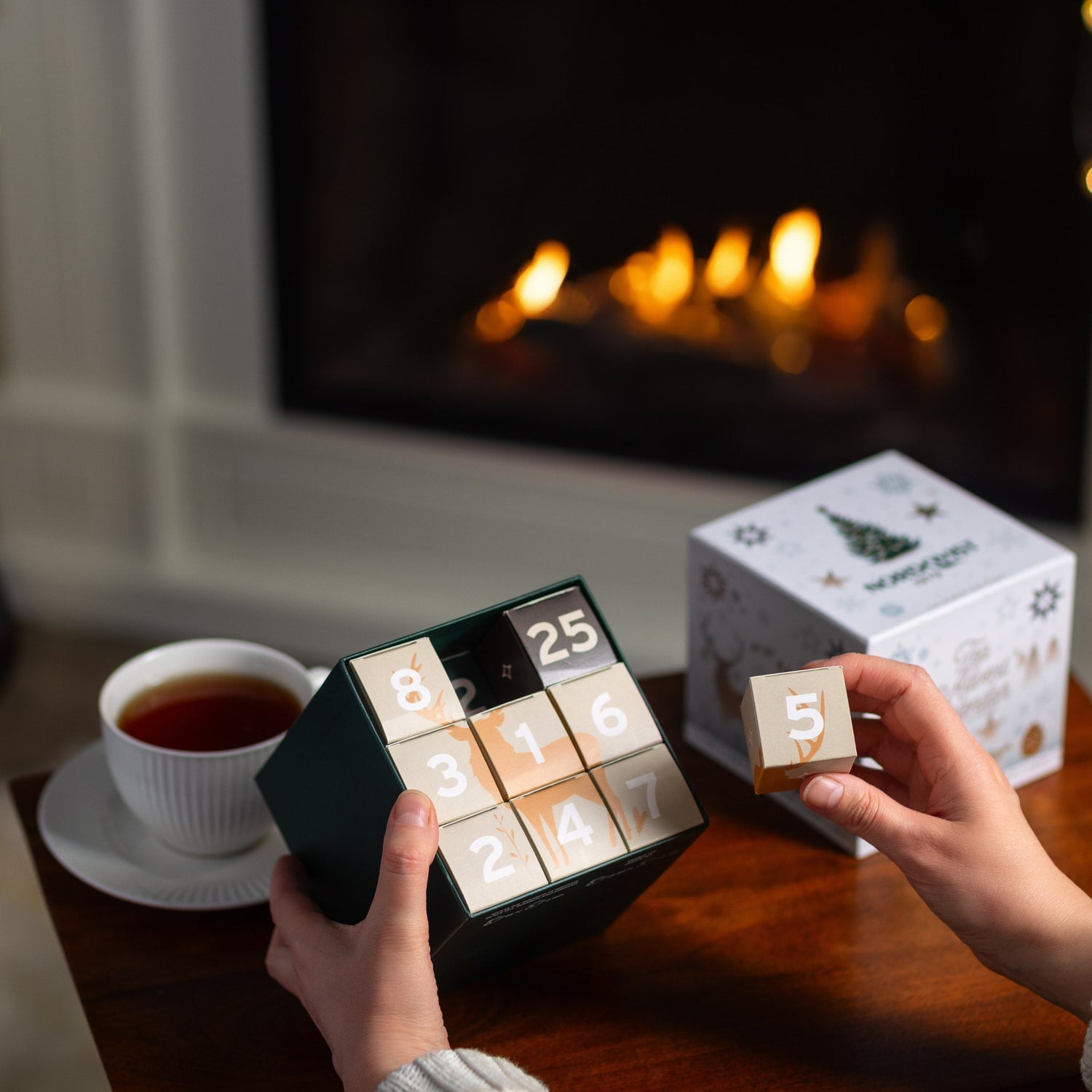
Tea Advent Calendars: A Buyer's Guide
A guide to tea advent calendars: how they work, where the tradition comes from, and how to choose the right one, from Moomin calendars to deluxe pyramid-tea sets.
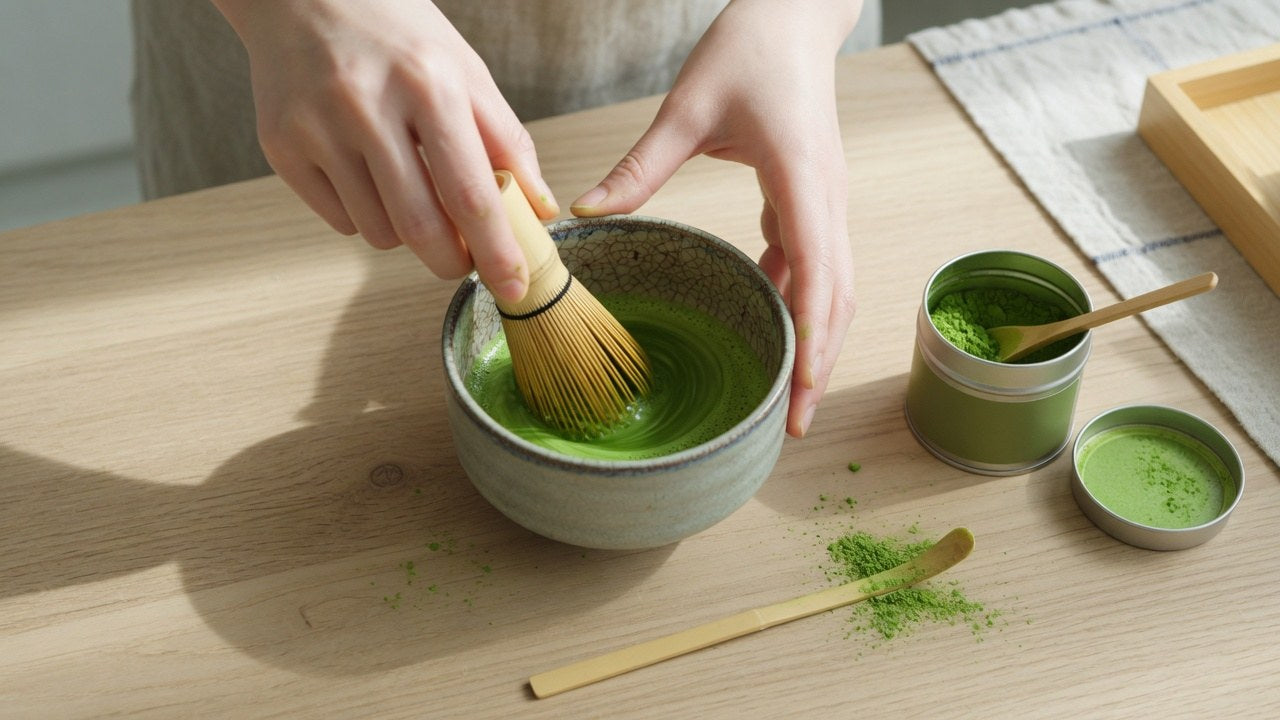
What Is Matcha and Where Does It Come From?
Matcha is a finely ground green tea powder made from shade-grown tea leaves. It originated in China, spread to Japan, and is made through traditional steps from cultivation to grinding.
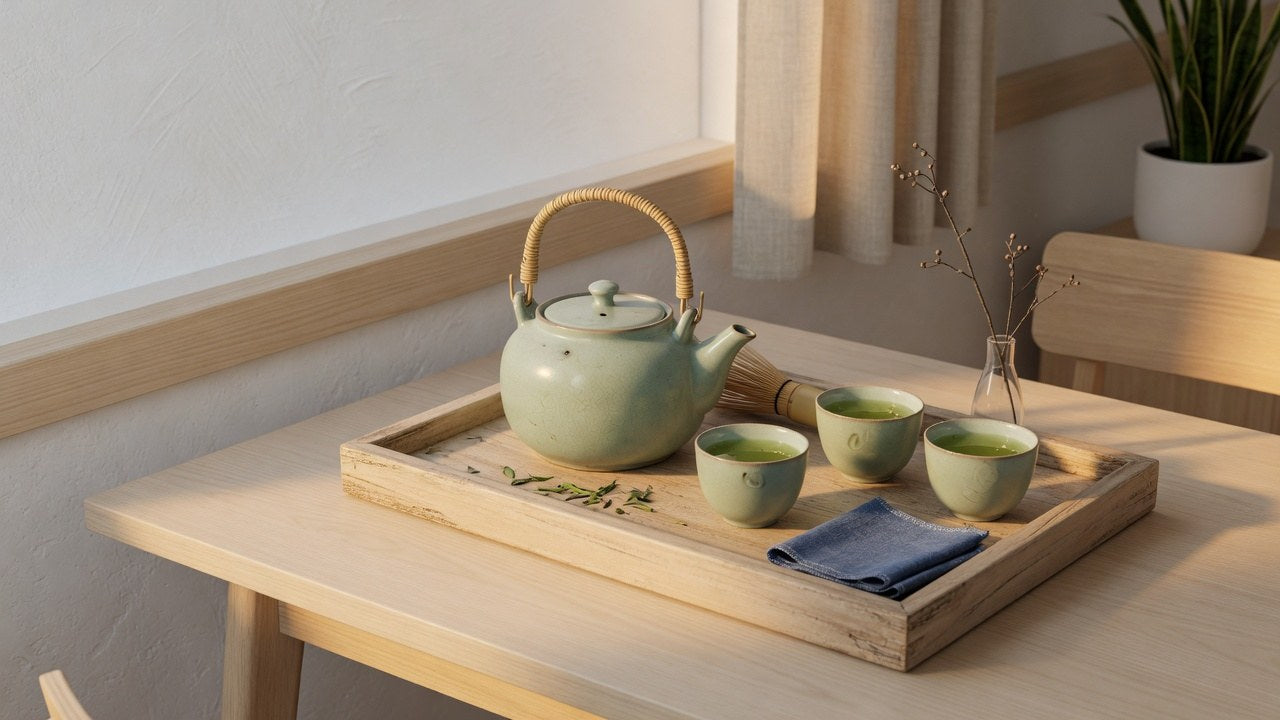
How to Make Cold Brew Tea: Ratios, Steps & Tips
To make cold brew tea, steep 6 teaspoons of loose tea (or 3 bags) in 1 litre of room-temperature water, rest 15 to 30 minutes, then refrigerate 8 to 20 hours and strain.
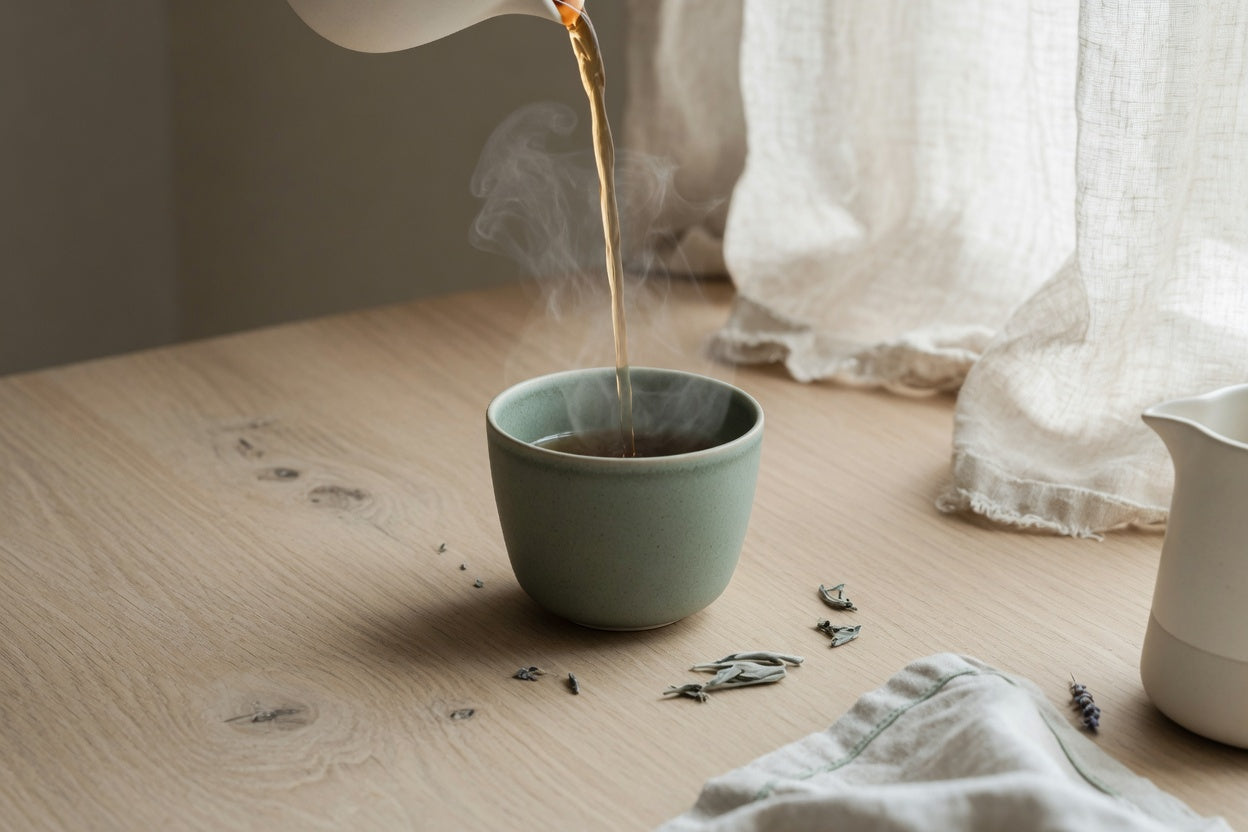
Caffeine and Tannins in Tea: How Temperature and Time Change Your Cup
Hot water releases more caffeine and tannins; cold water releases far less. Here is how brewing temperature and time change the caffeine and tannins in your tea.