

Earl Grey is a black tea flavoured with oil from the bergamot orange, a fragrant citrus fruit grown mainly in Calabria, Italy. That bergamot oil is what gives Earl Grey its bright, slightly floral aroma and its unmistakable taste. If you enjoy a classic cup, you can explore our own blends in the Earl Grey tea collection.
The origins of Earl Grey
Earl Grey tea has an origin story as intriguing as its taste. It is named after Charles Grey, the 2nd Earl Grey and British Prime Minister in the 1830s, but the true beginnings of the blend remain a subject of debate among historians and tea lovers alike.
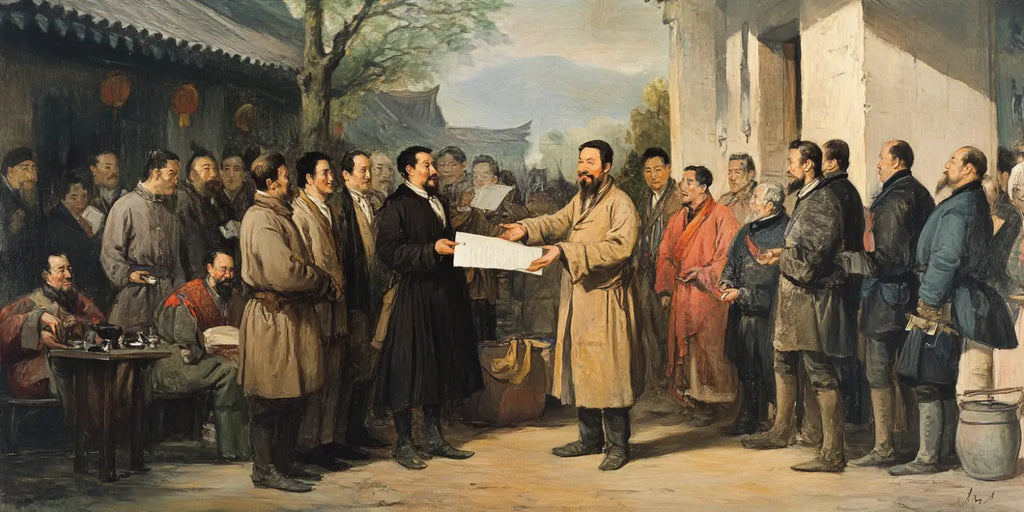
One popular tale suggests a grateful Chinese official gifted the recipe to Lord Grey after his son was saved from drowning. Other accounts propose it was a diplomatic gift, or even a happy accident when bergamot oil spilled into a tea shipment during transport. The truth is as elusive as the last wisps of steam from a freshly brewed cup.
What does Earl Grey taste like? The bergamot difference
What sets Earl Grey apart from other black teas is its flavouring: bergamot oil. The fruit itself resembles a cross between a lemon and an orange. It is too bitter to eat, but prized for the fragrant oil in its peel.
When that oil is added to black tea, it creates a flavour profile that is refreshing, slightly floral, and unmistakably Earl Grey. The black tea base gives body and a gentle malty depth, while the bergamot lifts every sip with citrus.
How to brew the perfect cup of Earl Grey
Earl Grey is a black tea, so brew it hot. Heat fresh water to 95°C (203°F) and steep for 3 to 5 minutes, depending on how strong you like it. Use about one teaspoon of loose leaf (or one bag) per cup.
| Step | Recommendation |
|---|---|
| Water temperature | 95°C / 203°F |
| Steeping time | 3 to 5 minutes |
| Tea per cup | 1 teaspoon loose leaf, or 1 bag |
| Milk | Optional, to taste |
To milk or not to milk is a personal choice. Traditionalists often take it black to keep the bergamot bright, while others enjoy a splash of milk for a rounder cup. For a deeper walkthrough of water, leaf, and timing, see our guide to making a perfect cup of tea.

Does Earl Grey tea have caffeine?
Yes. Because traditional Earl Grey is made with black tea, it contains caffeine, typically around 40 to 70 mg per cup, roughly half of what you would get from the same size cup of coffee. The exact amount depends on the blend, the water temperature, and how long you steep it. If you want the flavour later in the day, look for a green or naturally low-caffeine version.
Earl Grey tea benefits
Beyond its taste, Earl Grey shares many of the benefits associated with black tea:
- Rich in antioxidants: like other teas, it contains polyphenols that may help protect cells from damage.
- May support heart health: some studies link regular black tea drinking to better cardiovascular markers.
- Digestive comfort: bergamot has traditionally been used to settle the stomach.
- A calming ritual: the simple act of brewing and sipping is a proven way to slow down and reduce stress.
These benefits are promising rather than guaranteed, so enjoy Earl Grey as part of a balanced diet and consult a healthcare professional for personalised advice.
Earl Grey variations to try
The classic blend uses black tea, but the bergamot flavour pairs well with other bases:
- Traditional Earl Grey: black tea base, robust and malty, the perfect partner for citrusy bergamot.
- Green Earl Grey: green tea base for a lighter, more vegetal and refreshing cup with less caffeine.
- Cream Earl Grey (Earl Grey Cream): rounded out with vanilla for a smoother, dessert-like finish.
A cultural icon
Earl Grey has steeped its way into popular culture. It is the preferred tea of Captain Jean-Luc Picard in Star Trek: The Next Generation, and appears throughout literature as the sophisticated choice of fictional detectives and aristocrats. Its distinctive flavour has also inspired chefs and bakers, turning up in cakes, chocolates, and even savoury dishes.
Related products
Shop Nordqvist Earl Grey blends and related black teas:
Browse the full Earl Grey tea collection.
Frequently asked questions
What is Earl Grey tea made of?
Earl Grey is black tea flavoured with bergamot oil, an extract from the peel of the bergamot orange. Some versions use a green or oolong tea base instead.
What does Earl Grey taste like?
It tastes like a smooth black tea lifted by bright, slightly floral citrus from the bergamot. It is aromatic and refreshing rather than sharp.
What temperature should I brew Earl Grey at?
Brew Earl Grey with fresh water at about 95°C (203°F) and steep for 3 to 5 minutes. Cooler water under-extracts the black tea base.
Does Earl Grey tea have caffeine?
Yes. A standard black tea Earl Grey contains roughly 40 to 70 mg of caffeine per cup, about half that of coffee. Green Earl Grey contains less.
Is Earl Grey tea good for you?
Earl Grey provides the antioxidants found in black tea and may support heart health and digestion. It is a healthy choice in moderation as part of a balanced diet.


